Blockchain In Supply Chains
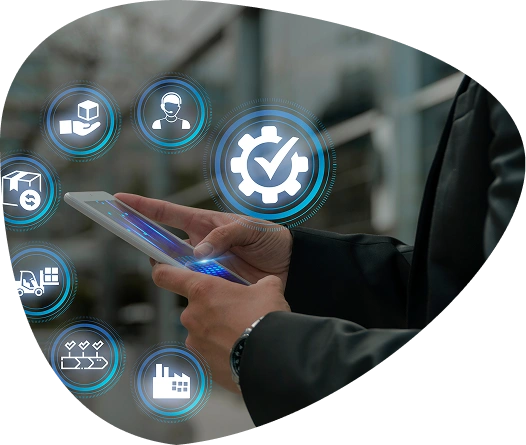
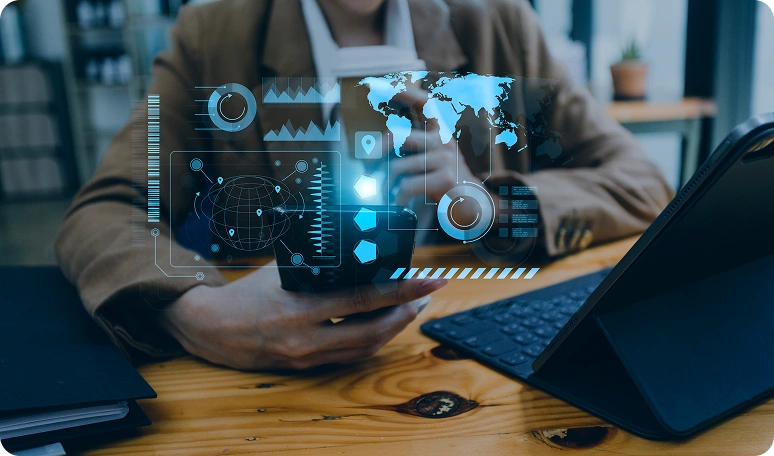
Blockchain in Supply Chains represents a transformative shift in how businesses manage logistics, transparency, and trust across global networks. By enabling secure, decentralized, and immutable record-keeping, blockchain ensures every step of the supply chain from sourcing raw materials to final product delivery can be tracked and verified in real time. This technology reduces inefficiencies, prevents fraud, and enhances accountability by creating a single source of truth accessible to all stakeholders. With smart contracts automating agreements, blockchain also accelerates transactions, lowers operational costs, and minimizes delays. By providing greater visibility into product origins and movement, it empowers companies to meet sustainability goals, comply with regulations, and build stronger trust with consumers. As industries embrace digital transformation, blockchain is becoming the backbone of resilient, transparent, and future-ready supply chain systems.
Revolutionizing Insurance Through Blockchain-Enabled Supply Chain Solutions
Blockchain is transforming the way insurance integrates with supply chains. It ensures real-time transparency, reducing fraud and errors in claims. Smart contracts automate processes, minimizing delays and costs. Enhanced data security builds trust between insurers and stakeholders.
- Fraud Prevention
- Real-Time Transparency
- Automated Processes
- Cost Efficiency
- Trust & Reliability
Transforming Supply Chains with Syfrox’s Blockchain-Powered Innovations
Syfrox leverages blockchain to create transparent and secure supply chain networks. End-to-end visibility ensures trust between suppliers, manufacturers, and customers. Smart contracts automate processes, reducing delays and manual errors. Decentralized systems enhance data security and fraud prevention. This innovation empowers businesses to build efficient and future-ready supply chains.

Cost Optimization
Cost Optimization in modern supply chains goes beyond simple cost-cutting — it focuses on maximizing value while minimizing waste across operations. By leveraging blockchain-powered solutions, businesses gain real-time insights into procurement, production, logistics, and inventory management. This transparency helps identify inefficiencies, eliminate redundancies, and streamline processes without compromising quality. Automation through smart contracts reduces administrative expenses and accelerates settlements, while decentralized data sharing lowers reliance on costly intermediaries. The result is a leaner, more agile supply chain that reduces financial risks, enhances profitability, and ensures sustainable growth. Cost optimization empowers companies to reallocate savings into innovation, customer service, and strategic expansion, driving long-term in global markets.

Sustainability Tracking
Sustainability Tracking is becoming a cornerstone of modern supply chains as businesses strive to meet environmental, social, and governance (ESG) goals. With blockchain technology, every step of the supply chain can be transparently recorded and verified — from sourcing raw materials to final delivery. This enables companies to ensure ethical practices, reduce carbon footprints, and comply with global sustainability regulations. Immutable blockchain records guarantee authenticity, preventing greenwashing and providing verifiable proof of eco-friendly operations. Real-time visibility also empowers stakeholders to identify inefficiencies, optimize resource usage, and support circular economy practices.
Blockchain Transparency for Smarter Supply Chain Management
Blockchain brings unmatched clarity and trust to global supply chains. Every transaction is securely recorded and instantly verifiable. Businesses gain full visibility from sourcing to final delivery. Smart contracts automate processes and eliminate costly delays. Decentralized systems reduce risks of fraud and data tampering. This innovation builds efficient, reliable, and future-ready supply chains.
Enhancing Supply Chain Education with Syfrox’s Blockchain Expertise
Syfrox empowers learners with advanced knowledge in blockchain-driven supply chains. It provides real-world insights into transparency, automation, and trust-building. Interactive learning ensures practical understanding of decentralized systems. Industry-focused modules prepare professionals for future-ready supply chains. This expertise bridges education with innovation for lasting impact.

Comprehensive Learning
Comprehensive Learning ensures a deep and structured understanding of blockchain in supply chains. It covers every aspect, from fundamentals to advanced applications. Learners gain clarity on transparency, security, and automation. Practical insights connect theory with real-world use cases.

Real-World Applications
Blockchain brings practical solutions to supply chain challenges. It enhances transparency in sourcing, logistics, and delivery. Smart contracts automate processes, reducing errors and delays. These applications build trust and efficiency across global networks.

Hands-On Training
Learners gain practical experience with blockchain in supply chains. Interactive modules simulate real-world scenarios and challenges. Smart contract exercises build applied technical skills. This training bridges theory with industry-ready expertise.

Industry-Relevant Skills
Syfrox equips learners with skills aligned to industry demands. Training focuses on blockchain applications in modern supply chains. Modules prepare professionals for real-world problem-solving. These skills enhance employability in a tech-driven marketplace.

Innovation-Driven Approach
Syfrox emphasizes forward-thinking solutions in supply chain education. Blockchain integration encourages creative problem-solving and efficiency. Learners explore cutting-edge tools and technologies for real-world impact. This approach fosters adaptability and leadership in industries.

Future-Ready Insights
Syfrox equips learners with knowledge to navigate evolving supply chains. Focus on blockchain ensures understanding of next-generation technologies. Insights cover efficiency, transparency, and automation in operations. This prepares professionals to lead and innovate in the future marketplace.
Blockchain in Supply Chains Driving Transparency, Security & Efficiency
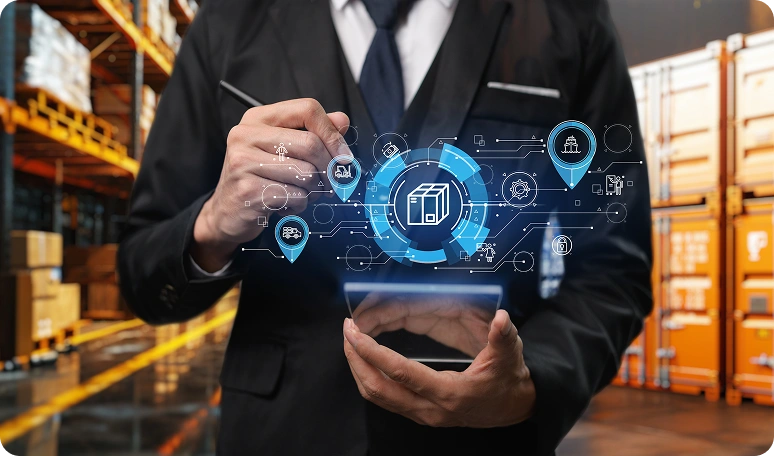
Blockchain technology is revolutionizing supply chain management by introducing unprecedented levels of transparency, security, and operational efficiency. Every transaction and movement of goods can be recorded on an immutable, decentralized ledger, ensuring accurate tracking from raw material sourcing to final delivery. This transparency reduces the risk of fraud, counterfeiting, and errors, while enhancing trust among suppliers, manufacturers, and customers. Smart contracts automate approvals, payments, and compliance processes, reducing delays and operational costs. Additionally, blockchain enables real-time insights, helping organizations optimize inventory, improve logistics, and make data-driven decisions. By integrating blockchain into supply chains, businesses not only streamline operations but also build resilient, future-ready networks that meet regulatory standards and sustainability goals.
FAQ
What is blockchain and how does it apply to supply chains?
Blockchain is a decentralized, immutable digital ledger that records transactions securely. In supply chains, it tracks the movement of goods from origin to delivery. Each transaction is transparent, verifiable, and tamper-proof. This ensures trust, accountability, and efficiency across the entire supply network.
How does blockchain improve transparency in supply chain operations?
Blockchain enhances transparency by creating a shared, tamper-proof record of every transaction in the supply chain. All participants can access real-time data on the movement and status of goods, making every step visible and verifiable. This reduces fraud, minimizes errors, and builds trust among stakeholders by ensuring accurate and consistent information across the network.
Can blockchain help reduce fraud and counterfeiting in supply chains?
Yes, blockchain can significantly reduce fraud and counterfeiting by providing a secure, traceable record of every product’s journey. Each item is tagged with a unique digital identity that is recorded on the blockchain, making it easy to verify authenticity at every stage. This makes it nearly impossible to alter or fake records, helping ensure only genuine products reach consumers.
What role do smart contracts play in supply chain management?
Smart contracts automate and enforce agreements between parties in a supply chain. They execute actions—like payments or shipment releases—automatically when predefined conditions are met. This reduces manual processes, minimizes delays, and ensures greater accuracy, trust, and efficiency in supply chain operations.
How does blockchain enhance efficiency and reduce operational costs?
Blockchain streamlines supply chain operations by automating processes, reducing paperwork, and eliminating intermediaries. Real-time data sharing and secure record-keeping minimize errors, delays, and disputes. This improves coordination, speeds up transactions, and lowers costs across the entire supply chain.
Is blockchain suitable for all types of supply chains or only large enterprises?
Blockchain is suitable for supply chains of all sizes—not just large enterprises. Small and medium-sized businesses can also benefit from improved traceability, security, and efficiency. Scalable and cost-effective blockchain solutions are now available, making the technology accessible and valuable across diverse industries and supply chain models.
How can businesses implement blockchain solutions in their existing supply chain systems?
Businesses can implement blockchain by first identifying areas where transparency, traceability, or automation is needed. They can then partner with blockchain providers to integrate the technology through APIs or cloud platforms. Starting with pilot projects helps test effectiveness before scaling across the supply chain. Collaboration with stakeholders ensures smooth adoption and data consistency.