
Blockchain Governments
Blockchain technology is transforming the way governments operate by introducing transparency, efficiency, and security across public services. By leveraging decentralized ledgers, governments can ensure tamper-proof record-keeping for critical data such as identity management, land registries, voting systems, and public financial transactions. This reduces corruption, enhances accountability, and builds trust between citizens and institutions. Smart contracts automate processes like tax collection, licensing, and social welfare distribution, minimizing bureaucratic delays and human error. Additionally, blockchain enables secure data sharing across departments and with external agencies while protecting privacy. As governments worldwide explore digital transformation, blockchain emerges as a powerful tool to drive innovation, improve citizen services, and create more resilient, transparent, and efficient public systems for the future.
Redefining Insurance Through Blockchain-Powered Government Solutions
Blockchain-powered government solutions are transforming the insurance sector with transparency and security. Decentralized ledgers reduce fraud and streamline claims processing for faster, more accurate outcomes. Smart contracts automate policies, payments, and compliance, minimizing human error and delays.
- Enhanced Transparency
- Faster Claims Processing
- Fraud Reduction
- Government-Insurer Collaboration
- Future-Ready Insurance
Empowering Blockchain Government Education Through Syfrox Innovation
Syfrox Innovation is revolutionizing government education with blockchain technology. Our programs provide hands-on learning for decentralized governance and secure data management. Interactive modules and real-world simulations equip learners with practical skills. Collaborative projects foster problem-solving, innovation, and policy-driven applications. This approach empowers governments and professionals to lead in transparent, efficient, and future-ready governance systems.

Continuous Knowledge Updates
Continuous Knowledge Updates ensure that learners stay current in an ever-evolving technological and professional landscape. By providing real-time access to the latest research, industry trends, tools, and best practices, this approach allows individuals and organizations to remain competitive and informed. Personalized learning paths adapt to each learner’s progress, highlighting new concepts, skills, and insights relevant to their goals. With regular updates, learners can apply fresh knowledge immediately to projects, decision-making, and problem-solving, enhancing both efficiency and innovation. This dynamic system fosters lifelong learning, empowering users to anticipate changes, embrace emerging opportunities, and maintain expertise in fast-paced, evolving fields.

Global Collaboration
Global Collaboration connects learners, professionals, and experts across the world, fostering a rich environment of shared knowledge and innovation. By breaking geographical boundaries, it enables participants to exchange ideas, experiences, and best practices from diverse cultures and industries. Collaborative projects, virtual workshops, and interactive platforms encourage teamwork, problem-solving, and creativity on a global scale. This approach not only enhances learning outcomes but also builds professional networks, mentorship opportunities, and cross-border partnerships. By embracing global collaboration, individuals and organizations gain the insights, skills, and connections needed to thrive in an interconnected, fast-paced, and competitive world.
Revolutionizing Governance with Blockchain Technology
Blockchain technology is transforming governance by introducing transparency, security, and efficiency. Decentralized ledgers ensure tamper-proof record-keeping for public services and transactions. Smart contracts automate processes, reducing bureaucracy and human error. Collaboration between governments, citizens, and organizations enhances trust and accountability. This innovative approach empowers governments to deliver faster, reliable, and future-ready solutions.
Transforming Government Blockchain Education with Syfrox Innovation
Syfrox Innovation is redefining how governments approach blockchain education. Our programs provide hands-on learning with decentralized systems and secure data management. Real-world simulations and interactive modules equip learners with practical, policy-focused skills. Collaborative projects encourage problem-solving, innovation, and interdepartmental learning. This approach empowers government professionals to implement transparent, efficient, and future-ready governance solutions.

Hands-On Learning
Hands-On Learning immerses students in practical, real-world experiences. Learners apply concepts directly through projects, simulations, and interactive exercises. This approach strengthens critical thinking, problem-solving, and technical skills.

Interactive Modules
Interactive Modules engage learners through dynamic, hands-on experiences. They combine multimedia content, simulations, and real-world scenarios for effective learning. Learners can practice, experiment, and receive instant feedback to reinforce understanding.

Collaborative Projects
Collaborative Projects bring learners together to work on real-world challenges. Teamwork encourages sharing ideas, diverse perspectives, and innovative solutions. Participants develop communication, leadership, and problem-solving skills.

Expert Guidance
Expert Guidance provides learners with mentorship from industry leaders and specialists. Professionals share insights, best practices, and real-world experiences. Personalized support helps learners navigate complex concepts and challenges.

Future-Ready Skills
Future-Ready Skills equip learners with the knowledge and abilities needed for tomorrow’s challenges. They focus on emerging technologies, critical thinking, and problem-solving capabilities. Hands-on practice ensures learners can apply skills in real-world scenarios.

Continuous Innovation
Continuous Innovation encourages learners to explore, experiment, and create without limits. It integrates the latest technologies, trends, and methodologies into the learning process. Regular updates and iterative practices foster adaptability and forward-thinking skills.
Empowering Transparent and Efficient Governance with Blockchain
Blockchain technology is revolutionizing the way governments operate by introducing transparency, security, and efficiency into public services. By leveraging decentralized ledgers, governments can create tamper-proof records for critical data such as identity management, voting systems, land registries, and public financial transactions. This reduces corruption, ensures accountability, and builds trust between citizens and institutions. Smart contracts automate workflows like licensing, tax collection, and benefits distribution, minimizing bureaucratic delays and human error. Additionally, blockchain enables secure data sharing across departments and agencies while protecting privacy. By adopting blockchain, governments can deliver faster, more reliable, and innovative services, creating a foundation for a transparent, efficient, and future-ready governance ecosystem.
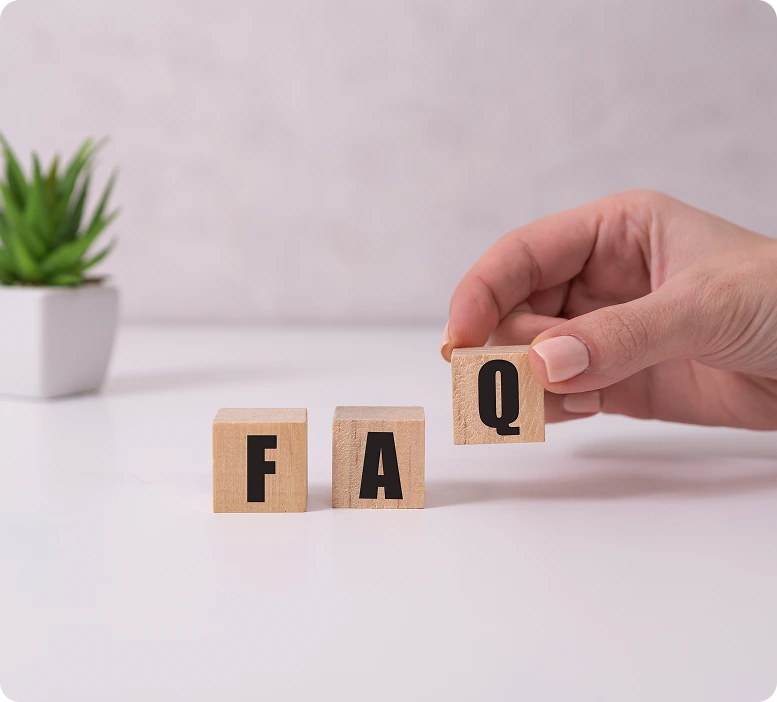
FAQ
What is blockchain, and how can it be applied in government systems?
Blockchain is a decentralized digital ledger that records transactions securely and transparently. In government systems, it can streamline processes like voting, identity management, and record-keeping. Smart contracts automate workflows, reducing bureaucracy and errors.
How does blockchain improve transparency and accountability in governance?
Blockchain creates immutable, time-stamped records of government transactions and processes. This ensures that all activities—from budgeting to public service delivery—are traceable and accessible to authorized parties, making it harder to hide discrepancies and improving overall accountability.
What are smart contracts, and how do they streamline government processes?
Smart contracts are self-executing agreements stored on the blockchain. They automatically enforce rules and conditions without human intervention. In governance, they can streamline processes such as issuing permits, disbursing welfare funds, or processing tax refunds, reducing paperwork, delays, and errors.
Can blockchain help reduce corruption and fraud in public services?
Yes. Since blockchain records cannot be altered, it becomes extremely difficult for officials or third parties to manipulate data, falsify records, or misappropriate funds. This transparency minimizes opportunities for corruption and strengthens trust in government systems.
How secure is blockchain for managing sensitive government data?
Blockchain uses advanced cryptography, decentralized storage, and consensus mechanisms to secure information. Sensitive data is encrypted and accessible only to authorized users, minimizing risks of hacking, unauthorized access, or single-point failures common in traditional databases.
What real-world examples exist of governments successfully implementing blockchain?
Several governments are adopting blockchain:
- Estonia uses blockchain for digital identity, healthcare, and voting systems.
- Dubai has launched a “Smart Dubai” initiative to digitize all government services with blockchain.
- Georgia uses blockchain for land registry and property ownership verification.
These cases highlight blockchain’s potential for efficient, transparent, and citizen-friendly governance.
How can government employees and officials get trained in blockchain technology?
Governments can organize specialized workshops, partner with universities, or collaborate with technology providers for hands-on training. Online certification courses and pilot projects also help employees build practical knowledge, ensuring smoother adoption of blockchain in governance.