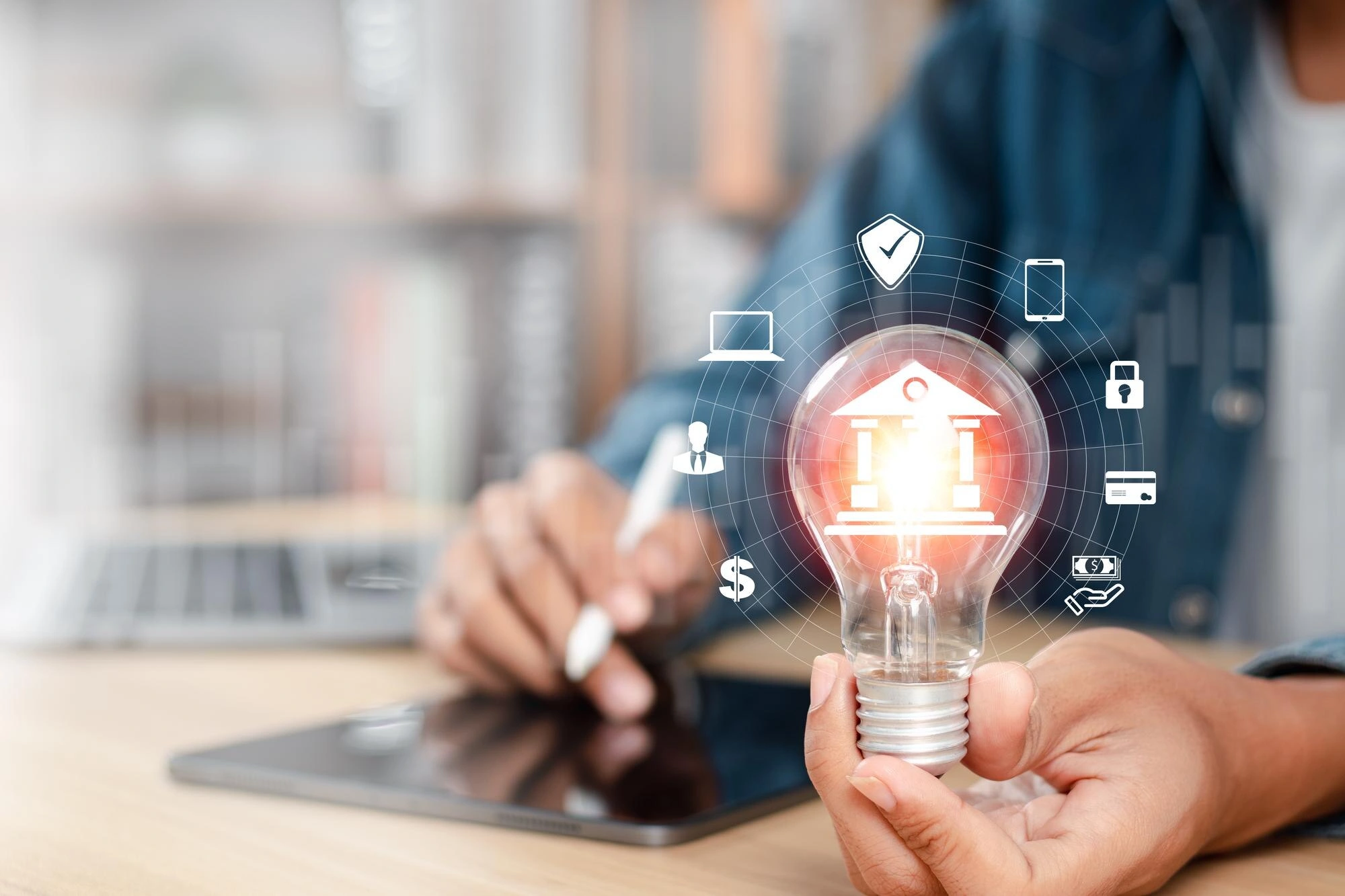
Smart contracts enable automated, secure, and transparent energy transactions between producers and consumers. Payments and settlements are executed instantly when predefined conditions are met. This reduces reliance on intermediaries, minimizes errors, and speeds up the trading process. Ultimately, it creates a more efficient, reliable, and cost-effective energy market.
Blockchain Energy
Blockchain technology is revolutionizing the energy sector by introducing transparency, efficiency, and decentralization into energy production, distribution, and consumption. It enables peer-to-peer energy trading, allowing consumers and producers to buy and sell electricity directly on secure, tamper-proof platforms. Smart contracts automate transactions, billing, and settlements, reducing operational costs and eliminating intermediaries. Additionally, blockchain enhances grid management by providing real-time monitoring, traceability, and predictive analytics for energy usage. By integrating renewable energy sources and facilitating transparent carbon credit tracking, blockchain empowers a sustainable, efficient, and resilient energy ecosystem for the future.
Automated Energy Transactions Through Smart Contracts
- Instant Settlements
- Reduced Intermediaries
- Enhanced Transparency
- Error Minimization
- Efficient Energy Market
Blockchain Learning Hub
Driving Innovation in the Global Energy Sector
Blockchain technology is transforming the global energy landscape by enabling decentralized, transparent, and efficient operations. It supports real-time tracking of energy production, consumption, and distribution. Smart contracts automate transactions, settlements, and compliance processes, reducing costs and errors. This innovation fosters sustainable energy practices, enhances grid reliability, and empowers stakeholders to participate in a more efficient and resilient energy ecosystem.
Decentralizing Energy for a Sustainable Future
Blockchain enables a decentralized approach to energy generation, distribution, and consumption, allowing producers and consumers to trade energy directly on secure platforms. This reduces dependency on central utilities, lowers costs, and enhances system resilience. By integrating renewable energy sources and providing transparent tracking of carbon credits, blockchain supports sustainable practices. Decentralized energy systems empower communities, promote efficiency, and pave the way for a cleaner, more reliable, and environmentally responsible energy future.

Optimizing Global Energy Systems with Blockchain
Blockchain technology is redefining how energy systems are managed worldwide by providing transparency, security, and real-time data analytics. It enables accurate tracking of energy production, consumption, and distribution across decentralized grids. Smart contracts automate transactions, billing, and settlements, reducing operational inefficiencies and costs. By facilitating peer-to-peer energy trading, integrating renewable sources, and ensuring traceable carbon accounting, blockchain helps create more efficient, resilient, and sustainable global energy networks for the future.
Empowering Next-Generation Energy Systems Through Syfrox
Syfrox leverages advanced blockchain technology to transform energy systems into more efficient, secure, and transparent networks. It enables real-time tracking, automated settlements, and peer-to-peer energy trading. By integrating renewable energy and smart contracts, Syfrox reduces operational costs and enhances grid reliability. This empowers utilities, producers, and consumers to participate in a sustainable and future-ready energy ecosystem.
Blockchain Energy
Smart Energy Management with Blockchain
Blockchain technology enables intelligent monitoring, control, and optimization of energy systems in real time. It provides transparent and tamper-proof records of energy production, consumption, and distribution. Smart contracts automate billing, settlements, and operational workflows, reducing costs and errors. This results in a more efficient, reliable, and sustainable energy management ecosystem.
Real-Time Energy Monitoring
Blockchain enables continuous tracking of energy production, distribution, and consumption. This provides accurate, up-to-date insights for efficient management and decision-making.
Automated Billing and Settlements
Smart contracts on blockchain automatically execute energy payments and settlements when conditions are met. This reduces manual errors, speeds up transactions, and lowers operational costs.
Transparent Energy Transactions
Blockchain records every energy transaction on an immutable ledger, ensuring full visibility and accountability. This builds trust among producers, distributors, and consumers while preventing fraud.

Optimized Grid Performance
Blockchain provides real-time insights and analytics for energy distribution and grid management. This enables efficient load balancing, reduces downtime, and enhances overall system reliability.
Integration of Renewable Energy Sources
Blockchain facilitates seamless tracking and management of renewable energy generation and distribution. This ensures efficient utilization, transparent reporting, and supports sustainable energy adoption.
Enhanced Operational Efficiency
Blockchain streamlines energy management processes by automating transactions, monitoring, and reporting. This reduces costs, minimizes errors, and improves overall system performance.

Shaping the Future of Energy with Blockchain Innovation
Blockchain technology is revolutionizing the energy sector by enabling decentralized, transparent, and efficient energy systems. It allows producers and consumers to trade energy directly, automates transactions through smart contracts, and ensures tamper-proof recording of all energy flows. By integrating renewable energy sources and providing real-time monitoring, blockchain optimizes grid performance and reduces operational inefficiencies. This innovation empowers utilities, businesses, and communities to build a sustainable, reliable, and resilient energy ecosystem for the future.
FAQ
What is blockchain energy and how does it work?
Blockchain energy uses decentralized ledger technology to record and verify energy production, distribution, and consumption. It enables peer-to-peer trading, automated settlements, and transparent tracking. This ensures efficiency, security, and accountability across the energy ecosystem.
How does blockchain improve energy transparency?
Blockchain provides an immutable record of all energy transactions and flows. Stakeholders can verify production, consumption, and trading in real time. This transparency reduces fraud, ensures data integrity, and builds trust across the energy network.
Can blockchain support renewable energy integration?
Yes, blockchain allows seamless tracking and management of renewable energy generation and distribution. It ensures transparent reporting, facilitates carbon credit accounting, and promotes sustainable energy adoption.
What role do smart contracts play in energy systems?
Smart contracts automate energy transactions, billing, and settlements when predefined conditions are met. They reduce manual errors, speed up processes, and enhance operational efficiency across grids and marketplaces.
Is blockchain energy cost-effective for businesses and consumers?
Yes, blockchain minimizes intermediaries, reduces transaction and operational costs, and optimizes energy distribution. Over time, these efficiencies lead to lower energy costs and improved profitability for businesses.
How does blockchain enhance grid reliability and performance?
Blockchain enables real-time monitoring, analytics, and predictive insights for energy distribution. This helps balance loads, prevent outages, and optimize grid performance for both producers and consumers.
What are the future applications of blockchain in the energy sector?
Future applications include decentralized energy marketplaces, automated carbon credit trading, smart grid optimization, and AI-driven energy management. Blockchain will create more efficient, secure, and sustainable energy systems globally.